

Interpretive Essays
In this section, you can access short essays (roughly 1,000 to 1,500 words) that blend research on topics related to Civil War Governors of Kentucky’s (CWGK) documentary edition with information that helps users understand wartime Kentucky.
Unlike CWGK’s digital exhibits that dig deeply into a particular story, person, or topic, these essays focus on interpreting concepts and providing broader historical context for the Civil War in Kentucky.

Finding the War in Civil War Kentucky
By Charles R. Welsko
The Civil War looks different in Kentucky. This is true in the broader context of the war and in this particular digital archive. As this essay explains, the framing of the project through the governor’s office creates an archive that is reactive as state officials responded to the needs and demands of Kentuckians across the state.
Helpful Links

Kentucky's Militia System
By Charles R. Welsko
During the war, Kentucky along with the U.S. and Confederate governments built armies largely from the ground up out of state militia units. Distrust and divisions early in the war further complicated Kentucky’s militia system, leading to confusing, overlapping organizations for much of the war.
Helpful Links
Hello, My Name is Beriah Magoffin: Petition Writing in Civil War Kentucky
By Charles R. Welsko
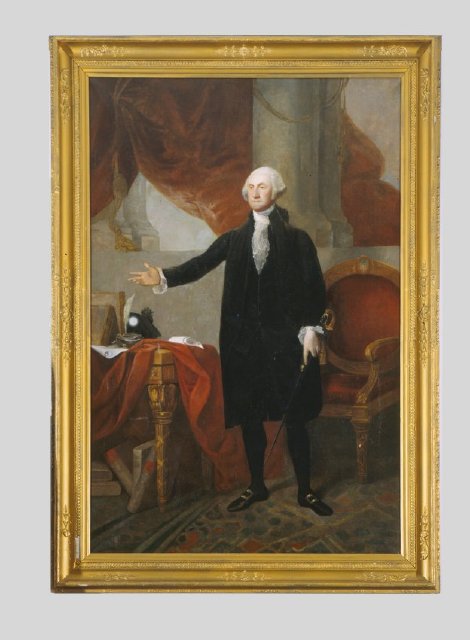
In January 1861, James Taulbee petitioned Governor Beriah Magoffin for a remission of a fine he had received for brawling. Taulbee's petition highlights how Kentuckians relied on a variety of methods to secure relief from Kentucky governors before, during, and after the Civil War.
Helpful Links
Soldiering and Leisure Activities in Civil War Kentucky
By Chase McCarter
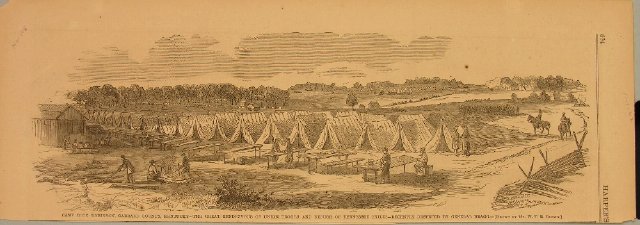
Civil War soldiers experienced both danger and tedium during their service. While combat made up a small portion of their time in either army, soldiers balanced the danger of war with card playing, sports, or drinking. Petitions from Civil War soldiers highlight how those activities clashed with other soldiers or local communities.
Helpful Links
“Old Friends, Private and Political:” Political Parties in the Civil War Governors Papers
By Jacob T. Wood
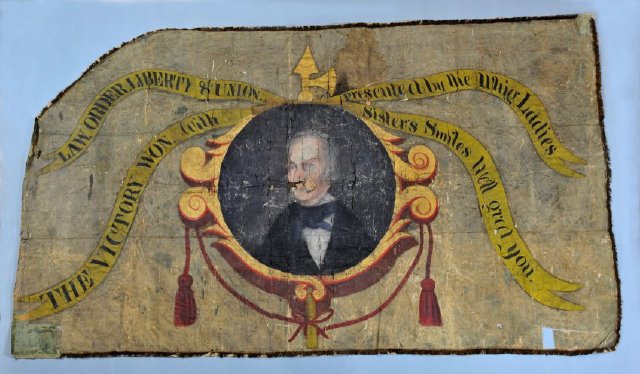
The chaos of the Civil War Era left many white Kentuckians feeling adrift: socially, economically, and politically. In response, they held onto old political identities that others had moved on from. They identified themselves and others with their pre-war partisan affiliations as a way to make sense of a world that seemed to be rapidly changing.